Domaine Kox
Domaine Kox
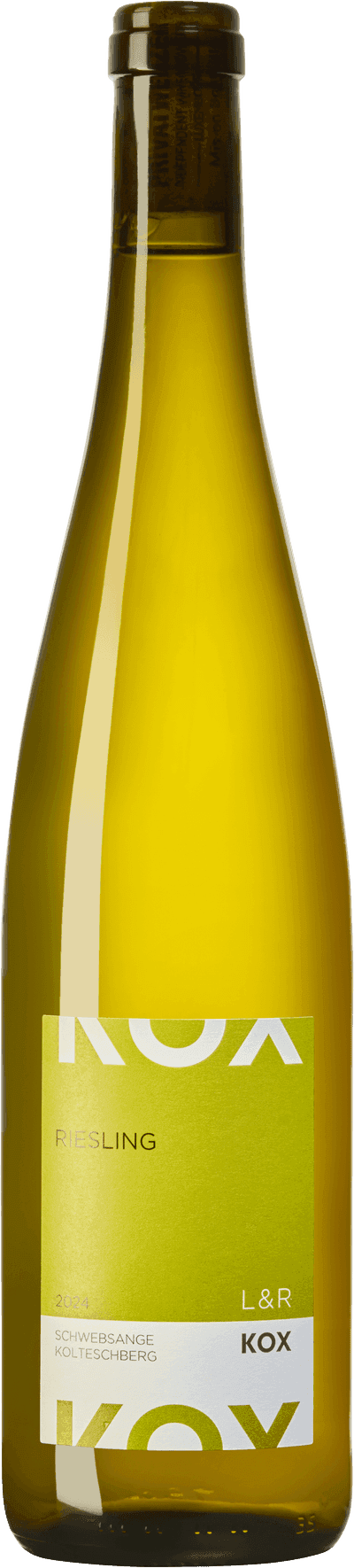
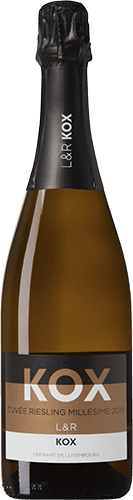
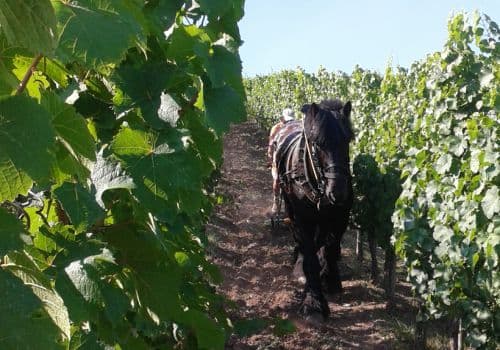
Domaine Kox, or more precisely Domaine Laurent & Rita Kox, is a Moselle wine - but from the other side, that is to say Luxembourg. The estate's operations started in 1909, but it was only a generation later that François Kox seriously got to grips with winemaking, which proved very useful when the next generation Kox, Laurent, took over responsibility for the family's 7.5 hectares in 1977, having first prepared through studies in Germany. Since then, the vineyards have been expanded to 12 hectares planted with riesling, pinot blanc, auxerrois, and gewürztraminer. The focus has always been on sparkling wines, though still whites are also produced. Since 2014, the estate has been working not only with modern tanks but also with qvevris, and while participating in a development project for drones in vineyard work, most of the draught work in the vineyard is done with working horses. In other words, a wonderful mix of traditional, even old-fashioned work and modern technology. All under the supervision of the latest generation Kox in the form of winemaker Corinne Kox. Corinne's forward-leaning approach - she was first in Luxembourg with qvevris, first to make orange wine and to work without sulphites, first to make verjuice, she has planted piwi varieties on a trial basis, and more - also encompasses deliberate work to increase biodiversity at Domaine Kox, optimise soil health, and address the ongoing climate changes. And well, we'll quote Jancis Robinson instead of continuing on our own: "This remarkable young woman, who seems to be alight with ideas and vision, is behind a wine that took me completely by surprise. I'd opened a few Crémants from different parts of France, and was tasting through them, expecting solid performance but nothing thrilling. And then I tasted the L & R Kox, Cuvée Sans Sulfites Ajoutés Brut NV Crémant de Luxembourg. I sat back in my seat. This was something pretty special. It had extraordinary richness combined with vibrant clementine-scented fruit, but the elegant, insistent acidity of Riesling. It was long. It was complex. It was superb."